06.04.2026
6 Differences Between a Traditional Sauna and an Infrared Sauna
A traditional sauna and an infrared sauna differ in several important ways, even though both heat the body and make you sweat. In reality, the two sauna types create very different experiences in terms of heat, air, atmosphere, and overall feeling.
If you have never had to choose between the two before, understanding the differences can feel confusing at first. Below are six key differences that help explain what each type of sauna offers.
1. How Heat Reaches the Body
How heat reaches the body is one of the biggest differences between an infrared sauna and a traditional sauna.

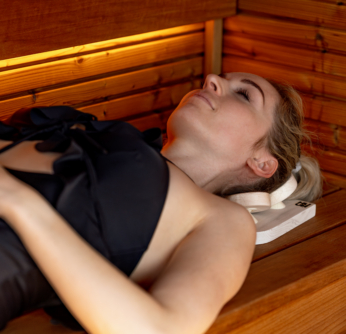
In an infrared sauna, the body is heated directly by infrared radiation. The air itself does not need to become extremely hot, because the heat penetrates directly into the skin and tissues.
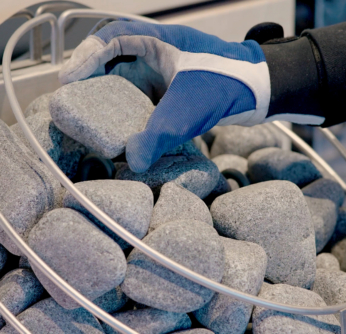
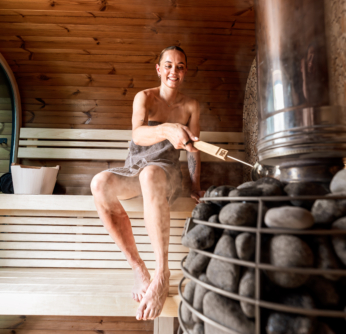
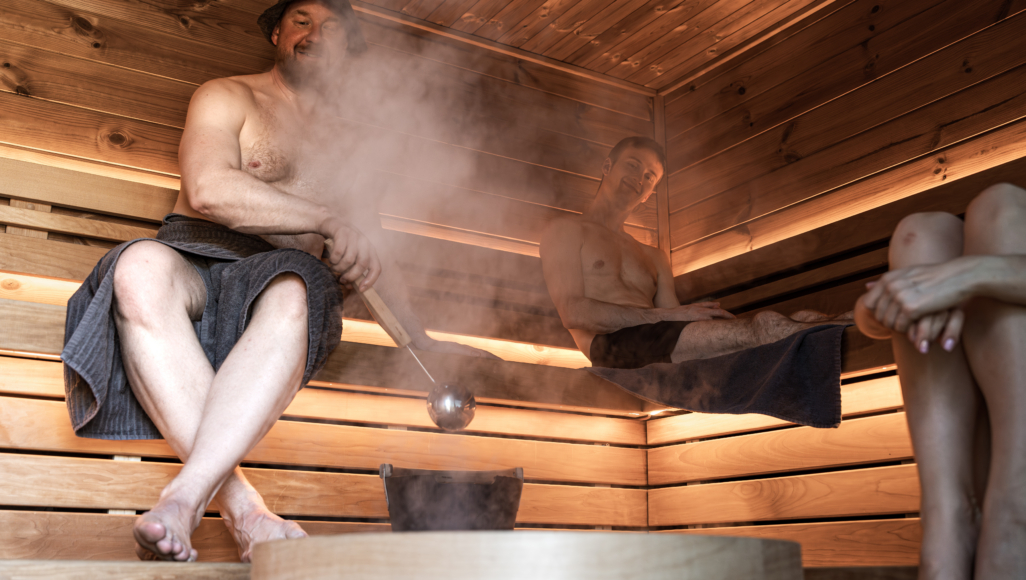
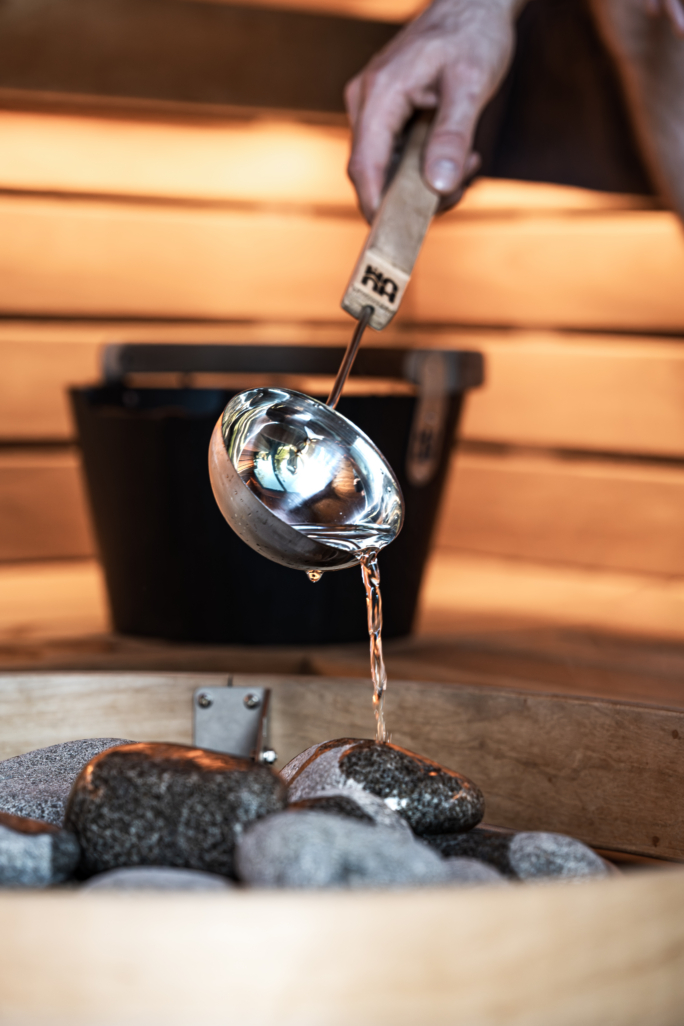
In a traditional sauna, heat reaches the body through hot air and steam. When water is poured over the stones, steam is created, rapidly increasing both the temperature and humidity throughout the room.
This difference also shapes the overall sauna experience. The heat in an infrared sauna usually feels steady and gentle, while a traditional sauna continuously changes with every round of steam. For many people, this changing heat is an essential part of the classic sauna experience.
2. Temperature
Temperature in an infrared sauna is typically lower, usually ranging between 40–60°C (104–140°F). Because of this, the environment often feels gentler and easier to tolerate, especially for people who are not used to very hot saunas.
In a traditional sauna, temperatures usually range between 70–100°C (158–212°F). The heat may feel intense at first, but the body generally adapts to it quite quickly with regular sauna use.
However, the feeling of heat is not determined by temperature alone. Humidity, air movement, and steam also play an important role. For example, a 50°C (122°F) infrared sauna can feel completely different from a 90°C (194°F) traditional sauna, where hot air and steam affect the entire body at the same time.
Studies have shown that traditional sauna bathing triggers several physiological responses in the body, including an increased heart rate and the widening of blood vessels, effects that are similar to moderate physical exercise.
3. Sweating and the Body’s Response
Sweating and the body’s response differ noticeably between an infrared sauna and a traditional sauna. Both sauna types make the body sweat, but they do so in different ways.


In an infrared sauna, the body warms up gradually, which means sweating usually begins more slowly. The heat also tends to remain relatively stable throughout the session.
In a traditional sauna, body temperature rises more quickly because hot air and steam affect the body at the same time. As a result, sweating often begins within just a few minutes.
Several studies suggest that regular sauna bathing may support circulation, help relax muscles, and reduce perceived stress. At the same time, researchers point out that most long-term studies have focused specifically on the traditional Finnish sauna.
For many people, a traditional sauna offers a more dynamic and varied sauna experience, while the heat in an infrared sauna remains more even and consistent throughout the session.
4. Air and Humidity
Air and humidity behave very differently in an infrared sauna compared to a traditional sauna. In an infrared sauna, the air is usually dry and changes very little throughout the session. The temperature remains relatively stable, creating a consistent environment.
In a traditional sauna, both heat and humidity are constantly changing. Pouring water over the stones creates steam that instantly makes the air hotter and more humid, significantly changing the feel of the entire room.
This ability to control the heat and steam gives a traditional sauna a more dynamic character. Some people prefer softer steam, while others enjoy more intense heat — making every sauna session feel slightly different.
5. Experience and Atmosphere
Experience and atmosphere are just as important as the technical differences between an infrared sauna and a traditional sauna.


An infrared sauna is often minimalist and quiet, making it a popular choice for individual relaxation or quick recovery after exercise.
A traditional sauna, on the other hand, often feels more immersive and engaging. The scent of wood, the crackling of hot stones, the sound of steam, and the constantly changing heat all shape the experience.
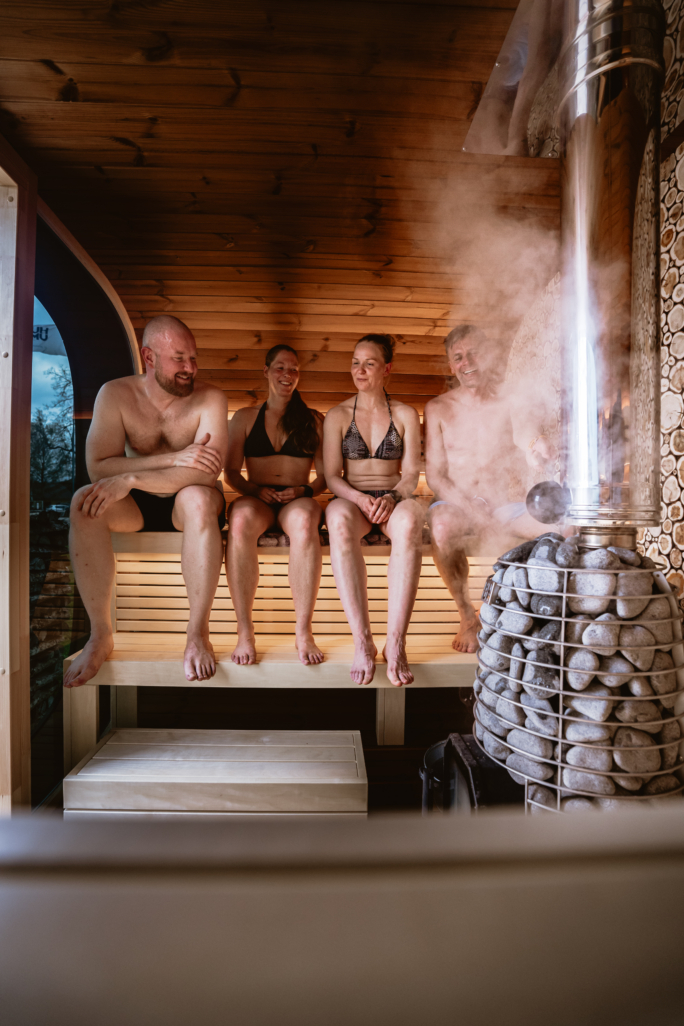
For many people, a traditional sauna is not simply a place to get warm, but a ritual that helps slow down and disconnect from everyday noise. It also often has a social dimension — sauna sessions are shared with family or friends, and the experience extends beyond simply sitting in a hot room.

6. Science and Health Effects
Science and health effects have been studied far more extensively in traditional saunas than in infrared saunas.
One of the best-known studies was published in JAMA Internal Medicine in 2015. The study followed more than 2,300 middle-aged Finnish men over a period of nearly 20 years. The results showed that people who used the sauna more frequently had a lower risk of cardiovascular disease and lower overall mortality.
A later scientific review published in Mayo Clinic Proceedings reached a similar conclusion, suggesting that regular sauna bathing may support cardiovascular health, improve vascular function, and contribute to relaxation and stress reduction.
There are fewer studies on infrared saunas, and they are often based on smaller participant groups. Some studies suggest that infrared sauna use may help relieve chronic pain and muscle tension, but the scientific evidence is currently not as strong as it is for traditional saunas.
Sauna-related literature has also emphasized that the long-term health effects of different heat therapies still require further research. In the book Sauna: History. Culture. Health. Construction., the authors note that under normal conditions it is not possible to safely raise the body’s core temperature to the same level used in medical heat therapies. The book also references long-term Finnish studies that found no link between traditional sauna bathing and an increased cancer risk.
Conclusion
A traditional sauna and an infrared sauna differ in terms of heat, air, and the overall sauna experience.
If you prefer gentler and more even heat, an infrared sauna may feel like the more comfortable option. If you value steam, changing heat, and the ritual of a classic sauna session, a traditional sauna will likely offer more.
Ultimately, the choice is not only about temperature, but about the kind of feeling and experience you want from a sauna.
References
Nellis, S.; Nellis, S.; Hõbepappel, U.; Hõbepappel, L. Sauna: History. Culture. Health. Construction. Tartu: Populus Alba, 2023.
Laukkanen, T. et al. “Association Between Sauna Bathing and Fatal Cardiovascular and All-Cause Mortality Events.” JAMA Internal Medicine, 2015.
Hussain, J., Cohen, M. “Clinical Effects of Regular Dry Sauna Bathing: A Systematic Review.” Mayo Clinic Proceedings, 2018.