11.06.2026
Can Sweating in a Sauna Remove Toxins?
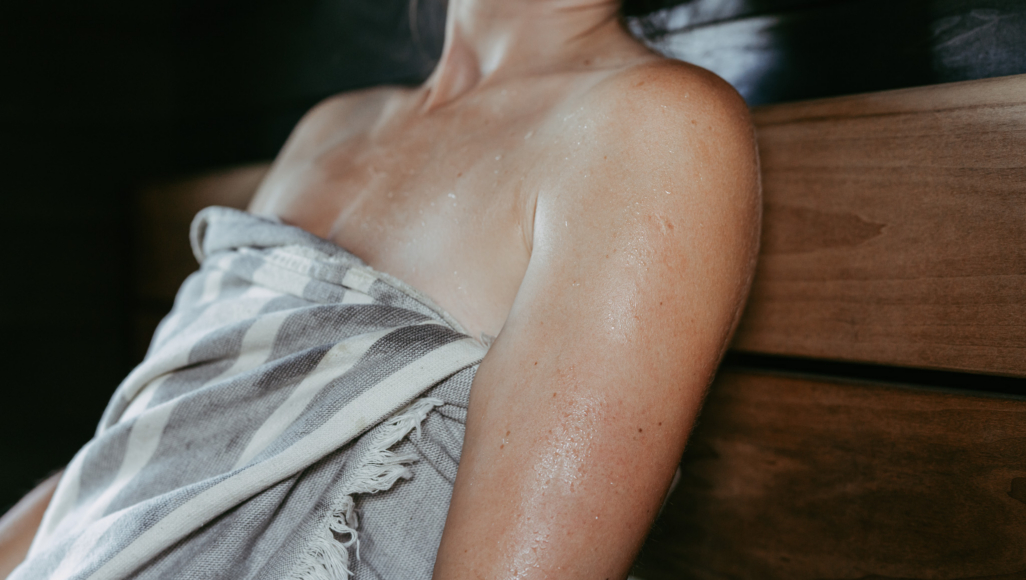
After a good sauna session, many people feel refreshed, relaxed, and recharged. This feeling has helped create the common belief that sweating in a sauna helps remove toxins from the body.
But what does that actually mean?
While sweating is a natural part of the sauna experience, it does not necessarily mean that the body gets rid of toxins through sweat. Sauna heat affects the body in many ways, from increasing circulation to supporting relaxation and recovery. At the same time, the liver and kidneys work every day to remove waste products and unwanted substances from the body naturally.
In this article, we take a closer look at what sweat is made of and the role sweating plays in the body’s natural processes. We also explore why sauna can leave people feeling refreshed, lighter, and deeply renewed.
Sauna Sweating and Body Temperature
Sauna sweating and body temperature are closely connected because sweating is the body’s natural way of cooling itself down. When the body’s core temperature begins to rise, the part of the brain responsible for temperature regulation signals the sweat glands to release moisture onto the skin. As sweat evaporates, it helps remove excess heat and keep body temperature in balance.


Inside a sauna, this process becomes much more intense than in everyday life. The hot air quickly raises skin temperature, causing blood vessels to widen and circulation to increase. The heart also begins to beat faster, similar to what happens during light physical activity.
Because of this combination of heat and increased circulation, many people leave the sauna feeling both relaxed and pleasantly tired.
Sauna heat also affects how intensely a person sweats. A dry sauna feels very different from a sauna with soft leil1. When water is poured onto hot sauna stones, humidity rises and sweat evaporates more slowly from the skin. As a result, the heat may feel both softer and deeper at the same time, often leading to more intense sweating.
The amount of sweat produced can vary considerably from person to person. Factors such as hydration, stress levels, sauna experience, and even genetics can influence how the body responds to heat. Some people begin sweating within a few minutes, while others need more time. Both responses are completely normal.
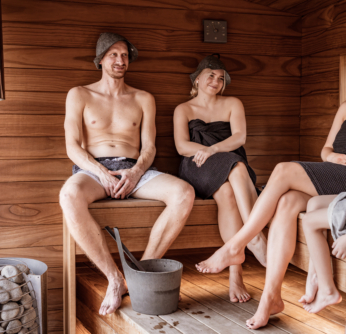
Across Northern and Eastern Europe, where sauna traditions have existed for centuries, sauna bathing has long been part of everyday life. The rhythm of warming up, sweating, cooling down, and resting is valued not only for physical comfort, but also for the opportunity it creates to slow down, recover, and reconnect with a calmer pace of life.
What Sweat is Made of
What sweat is made of may sound like a complicated question, but the answer is surprisingly simple. Sweat is made mostly of water. It also contains small amounts of minerals and electrolytes, including sodium, potassium, calcium, and magnesium.

Sweat is produced by glands located beneath the skin. When body temperature rises, these glands release moisture onto the skin’s surface to help cool the body down. In a sauna, sweating becomes much more noticeable because the heat and increased humidity encourage the body to release more heat.
Although sweat is mostly water, researchers have found that tiny amounts of other substances can also leave the body through sweating. These may include traces of heavy metals or chemicals that people are exposed to in their environment.
The amount of sweat produced can vary considerably from person to person. Factors such as hydration, physical activity, sauna temperature, and individual differences can all influence how much a person sweats.
Because sweating causes the body to lose fluids and salts, it is important to drink water after a sauna session. Mineral water, herbal tea, or a light snack can help support recovery and restore balance after sauna bathing.
Does Sauna Help Cleanse the Body?
Does sauna help cleanse the body? This is a question many people ask after a deep sauna sweat. The feeling of leaving the sauna refreshed and lighter has helped create the belief that sweating removes toxins from the body.
The reality is a little more complex. Although small amounts of certain substances may leave the body through sweat, the body’s main cleansing work is carried out by the liver and kidneys.
The liver helps break down potentially harmful substances, while the kidneys filter waste products from the blood and remove them through urine. These processes take place continuously, whether a person uses a sauna or not.
Some studies have found that tiny amounts of certain substances, including traces of heavy metals, may be present in sweat. However, sweating is generally not considered one of the body’s main cleansing mechanisms. The value of sauna lies less in “detoxing” the body and more in the way heat, leil, and rest support wellbeing and recovery.
Why Sauna Feels Cleansing
Why sauna feels cleansing is about much more than sweating alone. Heat, leil, silence, and deep relaxation affect the body in ways that many people experience as refreshing and restorative.
In traditional Northern European sauna cultures, cleansing has never been only about physical cleanliness. For generations, sauna has been associated with rest, recovery, and inner balance.
Sauna heat helps improve circulation and relax the muscles. As the body warms up, breathing often becomes slower and calmer, especially in a sauna with soft leil. After just a few minutes, many people begin to notice the pace and noise of everyday life fading into the background.
In many saunas, conversation naturally becomes quieter as the heat deepens. There is no need to fill the silence. Instead, people become more aware of their breathing, thoughts, and surroundings.
The calming effect of sauna may also be linked to the nervous system. Heat can help activate the parasympathetic nervous system, which supports rest and recovery. This may explain why people often leave the sauna feeling not only physically relaxed, but mentally lighter as well.
Across many sauna traditions, the goal has never been to endure extreme heat. Sauna is about balance, presence, and giving both body and mind the opportunity to slow down naturally.
For some people, the feeling of cleansing comes from deep sweating. For others, it comes from stepping away from daily responsibilities and allowing time for recovery. In both cases, sauna often creates a sense of calm that lingers long after the heat has faded.
Leil and the Sauna Experience
Leil and the sauna experience are inseparable because leil plays a major role in shaping how heat feels inside a sauna. In traditional sauna culture, leil is created by pouring water onto hot sauna stones. The resulting wave of heat and humidity creates the distinctive sensation that many sauna bathers associate with a truly good sauna.
In Northern European sauna culture, leil is much more than steam. For generations, it has been regarded as one of the defining features of the sauna experience. In some traditions, leil was respected so deeply that it was considered the very soul of the sauna.

Unlike a dry sauna, leil slows the evaporation of sweat from the skin. As a result, the heat may feel both softer and more intense at the same time, while sweating often becomes deeper and more even.
If the goal is to sweat deeply, it may be worth waiting a few minutes before throwing the first water onto the stones. The body only begins producing significant amounts of sweat once its core temperature starts to rise. If leil is created immediately after entering the sauna, some of the body’s cooling comes from moisture condensing on the skin rather than from the body’s own sweat.
Experienced sauna bathers often judge a sauna not only by its temperature, but also by the quality of its leil. A good sauna experience depends not just on how hot the room is, but on how the heat moves through the space and feels on the skin.
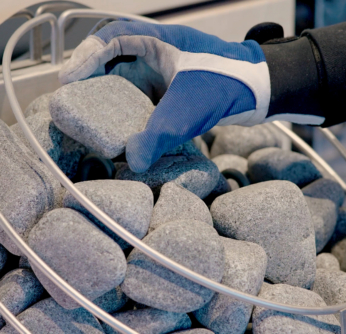
Sauna stones also play an important role in creating soft and balanced leil. A large stone mass stores heat more evenly and produces gentler, longer-lasting waves of heat and humidity.
This creates a more balanced sauna experience, allowing the heat to build gradually without becoming harsh or uncomfortable too quickly.
Good leil is not about extreme heat. It is about balance, rhythm, and the way heat and humidity gently fill the sauna.
Recovery After Sauna
Recovery after sauna is important because the body loses both fluids and minerals through sweating. Sweating is a natural response to heat, but giving the body time to cool down and recover is just as important.
After a sauna session, it is important to drink water to replace lost fluids. Following longer sauna sessions, mineral water or herbal tea can also be good choices, especially if several rounds of heating and cooling have taken place. Replacing lost fluids is particularly important after extended sauna bathing, as proper hydration helps support the body’s natural recovery process.
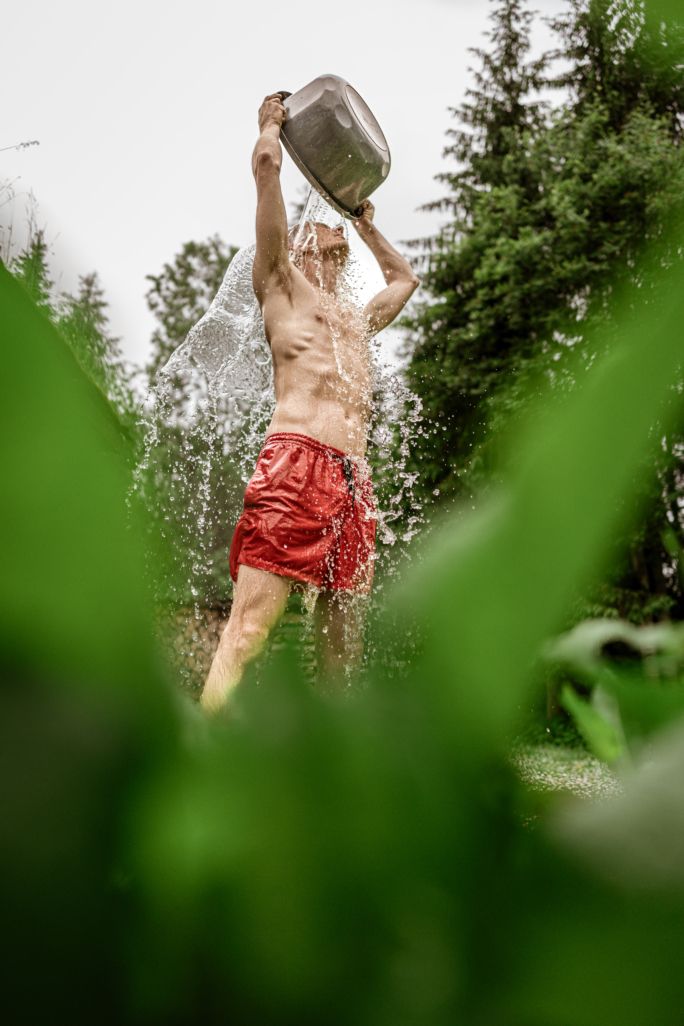

Safe sauna bathing begins with listening to your body. Most people feel comfortable spending around 10–20 minutes in the sauna at a time, although the ideal length of a session depends on temperature, humidity, and personal comfort.
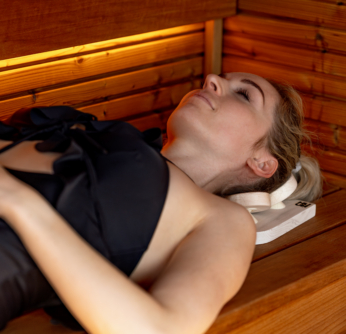
Cooling down after sauna is also part of the experience. Fresh air, a cool shower, a lake, or a cold plunge provide a refreshing contrast to the heat and help the body recover gradually.
A sauna session should feel relaxing and enjoyable, not exhausting or overwhelming.
Sauna Traditions Across Europe
Sauna traditions across Europe have shaped people’s relationship with heat, leil, and wellbeing for generations. Especially across Northern and Eastern Europe, sauna has long been more than just a place to wash – it has been a place to rest, recover, and step away from the pace of everyday life.
For centuries, sauna has played an important role in daily life across countries such as Estonia, Finland, Latvia, and Sweden. While local customs vary, many traditions share the same core values: taking time to slow down, connect with nature, and support physical and mental wellbeing.
In Estonian sauna traditions, natural rituals and unhurried recovery remain important parts of the experience. Soft leil, peaceful surroundings, and time to cool down between sauna rounds continue to define sauna bathing today.
Sauna, Sweating, and Wellbeing
Sauna, sweating, and wellbeing come together most naturally when sauna is seen not as a quick detox, but as a complete experience. Sweating helps cool the body, leil shapes the character of the sauna, and rest gives both body and mind an opportunity to recover.
Whether sauna is part of a generations-old tradition or a modern wellness routine, it continues to offer something many people are looking for today – warmth, stillness, and a space to simply be present.
Reference
Nellis, S., Nellis, S., Hõbepappel, U., & Hõbepappel, L. (2023). Saun: Ajalugu, kultuur, tervis, ehitus. Tartu: Populus Alba.
Terminology
- Leil – the wave of heat and humidity created by pouring water onto hot sauna stones. ↩︎