21.09.2026
Sauna in Fall: How to Support Immunity and Recovery During the Darker Months
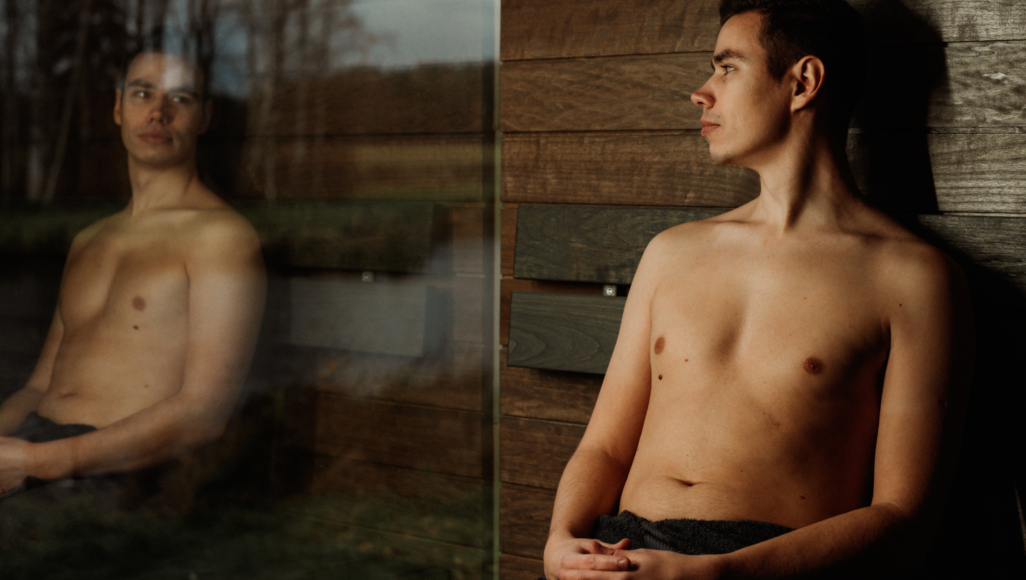
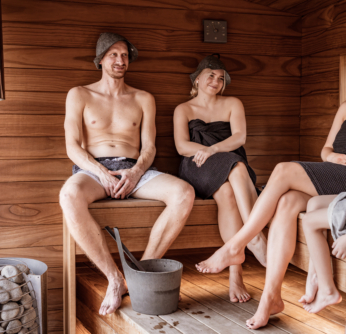
Sauna in fall can be much more than simply a warm place to escape the cold and damp weather.
Regular, moderate sauna use may support sleep, the natural function of the respiratory mucous membranes, physical recovery and overall wellbeing.
These are all processes that deserve extra attention during the darker months and respiratory virus season.
A sauna is not, however, a treatment or a way to sweat a cold or virus out of the body.
Instead, it can be part of a healthy lifestyle alongside sufficient sleep, regular movement, rest, and a balanced diet.
Why Does Sauna Fit So Well into a Fall Recovery Routine?
As fall arrives, the days become shorter, temperatures drop, and we tend to spend more time indoors.
At the same time, respiratory viruses circulate more widely, while sleep, rest, and recovery become even more important for everyday well-being during the darker months.
Sauna fits naturally into this season because its effects go beyond the simple pleasure of feeling warm.
In a hot environment, several temporary physiological changes take place in the body. Blood vessels widen, heart rate increases, more blood flows toward the skin, and the body begins actively cooling itself.
Heat is a form of physiological stress, and the body responds to it through a range of adaptive processes.
According to the principle of hormesis, a mild and short period of stress may have beneficial effects, while excessive or prolonged stress can have the opposite effect.
In other words, a sauna does not need to be as hot or as long as possible to support well-being. Moderation, regularity, and paying attention to how your body feels are more important.
Sauna and Immunity: How Can Heat Support the Body’s Natural Defenses?
The air inside a sauna can become very hot, but your core body temperature does not rise to the same level. This is why you cannot simply “sweat out” a cold or the flu.
Regular sauna use may, however, support some of the body’s natural defence and adaptation mechanisms.
Heat exposure increases the production of so-called heat-shock proteins, or HSPs.
These protective proteins help cells cope with heat stress and support the repair of damaged proteins.
A sauna session exposes the body to a brief and controlled form of heat stress. With regular sauna use, the body can become better adapted to this type of stress.
Heat-shock proteins are also involved in immune system function. Heat exposure can influence the activity of signaling molecules that regulate the immune response, as well as the activity of white blood cells.
This does not mean that sauna makes you immune to illness.
It is more accurate to say that regular sauna use may be one factor that supports the body’s natural defense and adaptation processes.
Leil and Humidity Can Support the Respiratory Mucous Membranes
During fall and winter, cold outdoor air is not the only challenge. Once heating season begins, indoor air often becomes drier, which can affect the mucous membranes of the nose and throat.
These mucous membranes form one of the respiratory tract’s first lines of defense. The mucus covering their surface helps trap inhaled particles and pathogens. For this system to work effectively, the mucous membranes need sufficient moisture.
A relative indoor humidity of around 40–60% is generally considered comfortable, but during heating season it can sometimes fall below 30%.
Very dry air can irritate the nose and throat and interfere with their normal function.
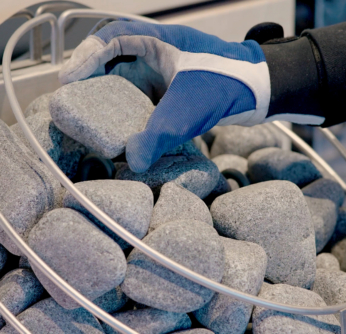
Pouring water over hot sauna stones creates leil. n Estonian sauna culture, leil refers to the wave of hot, humid air that rises from the stones after water is poured on them.
It is a central part of the traditional sauna experience and does not have a precise one-word equivalent in English.
Leil quickly increases the humidity inside the sauna.

The rise in humidity is temporary, but warm, humid air increases blood flow in the nose and throat and may help soothe mucous membranes irritated by dry air.
This is also one reason why a fall sauna does not need to be extremely dry and intensely hot.
A moderate temperature combined with pleasant leil may be a more comfortable choice for the body.
Can Regular Sauna Use Help Prevent Colds?
Several studies have explored the relationship between sauna use and respiratory illnesses, although their findings should be interpreted with care.
A small controlled study published in 1990 included 50 participants. Twenty-five used a sauna regularly, while the other 25 formed a control group.
Over the six-month study period, fewer common colds were recorded in the sauna group.
The difference was greatest during the final three months, when the sauna group experienced roughly half as many colds. However, there was no significant difference in the duration or severity of the colds.
A Finnish KIHD cohort study also found an association between more frequent sauna use and a lower risk of respiratory diseases. The study followed 1,935 men ages 42–61 for more than two decades.
However, because this was an observational study involving a specific population, it cannot prove that sauna use itself directly caused the lower risk of respiratory illness.
These findings should therefore not be interpreted to mean that sauna use alone prevents colds or other respiratory infections.
Any potential benefits of regular sauna use may result from several factors working together, including better sleep, relaxation, the condition of the respiratory mucous membranes, and the body’s adaptation to heat.
It is therefore more accurate to say that sauna may support the body’s natural defense and recovery processes rather than claiming that it strengthens immunity or prevents illness.
Sauna Does Not Cure a Cold
When your throat starts to feel scratchy or your nose becomes blocked, it can be tempting to head to the sauna and try to “sweat the illness out.”
There is, however, an important difference between using a sauna as part of a regular wellness routine and going to the sauna when you are already sick.
Sauna heat does not raise core body temperature high enough to destroy viruses inside the body. The book “Saun. Ajalugu, kultuur, tervis, ehitus” also emphasizes that sauna does not cure a viral illness that has already developed and that sauna should be avoided when you have a fever.
When the body is fighting an illness, it is already under additional strain. Heat adds another physiological stressor.
If you have a fever or feel significantly unwell, it is better to avoid the sauna.
Whenever you do not feel like you normally do, pay attention to the signals your body is giving you.
Sauna and Sleep: An Important Part of Fall Recovery
When talking about immunity and recovery, one of the most important tools is sometimes overlooked: sleep.
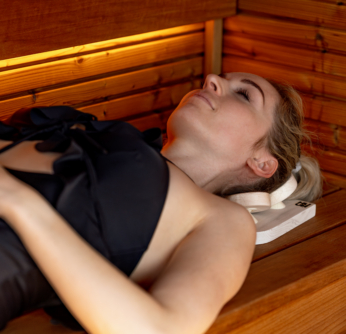
An evening sauna may help you fall asleep more easily and support longer, more restful sleep. This is not only because sauna feels relaxing, but also because of the way the body regulates temperature.
If you would like to explore this topic in more detail, read our article on how sauna can support better sleep.
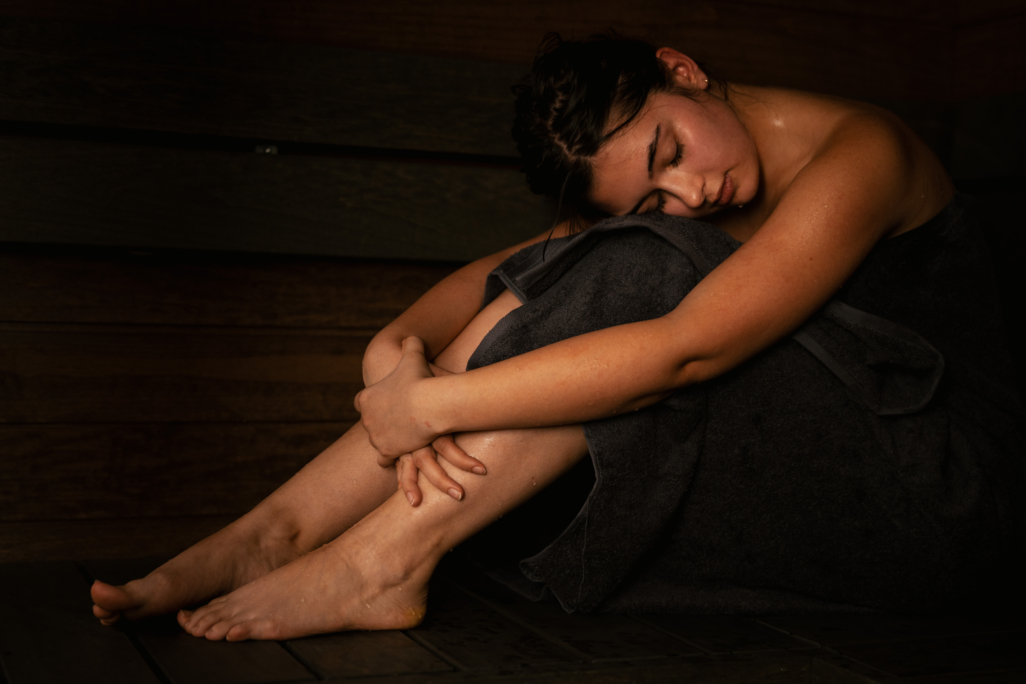
In the sauna, the blood vessels near the surface of the skin widen and more blood flows toward the skin. Once you leave the sauna, the body begins releasing heat and body temperature gradually falls.
This drop in temperature is one of the body’s natural signals that helps prepare it for sleep.
If you want to make sauna part of your evening sleep routine, timing matters as well.
The book “Saun. Ajalugu, kultuur, tervis, ehitus” recommends finishing your final sauna round around one to two hours before bedtime, allowing the body enough time to cool down and settle.
Going straight from the sauna to bed may not have the same effect because the sympathetic nervous system can still be active immediately after heat exposure.
Recovery Continues After You Leave the Sauna
The restorative part of a sauna session does not end when you close the sauna door behind you.
If your goal is to sleep better, returning immediately to work emails, phone screens, or an intense workout is unlikely to help.
Instead, give yourself time to slow down, talk with family or friends, or simply spend a quiet moment with your own thoughts.
Late-evening caffeine and other stimulating activities can also make falling asleep more difficult. The sauna book also highlights the effect of blue light from screens, which can signal to the brain that it is still time to remain awake.
During fall, sauna can become a deliberate transition from the active part of the day into rest. Put the phone aside, dim the lights, and give your body time to cool down.
Sauna After Exercise May Support Recovery, but More Is Not Always Better
As fall brings more of our exercise indoors, combining sauna with a gym session, swim, or run can feel like a natural choice.
Passive heat may support muscle recovery and have a relaxing effect on the joints, cardiovascular system, and nervous system.
There is, however, an important limitation.
After very intense exercise, the body is already warm and fatigued. Adding a demanding sauna session immediately afterward creates additional heat stress, which may sometimes work against recovery rather than support it.
Research is not conclusive on this point, and the ideal sauna temperature and duration for recovery after exercise have not been clearly established.
Some studies have even found that sauna use immediately after demanding exercise may slow certain aspects of recovery.
After a hard workout, it is therefore sensible to first allow your heart rate to settle, replace lost fluids, and consider how you feel.
The sauna does not need to become the final endurance exercise of your workout, where the goal is simply to stay in for a few more minutes.
How to Create a Restorative Fall Sauna Routine
A good fall sauna routine does not require complicated rules. Regularity and giving your body enough time to recover between periods of heat are more important.
- Use the sauna regularly rather than pushing yourself to extremes. Choose a temperature and level of leil that feel comfortable for you.
- Pour water on the stones. During fall and winter, warm and humid air created by leil may feel more comfortable for dry respiratory mucous membranes than very dry heat.
- Give your body time to cool down. Sauna is not about tolerating more and more heat. Allow heat, cooling, and rest to alternate.
- Replace lost fluids. Sweating causes the body to lose both water and minerals, so adequate hydration is an important part of recovery after sauna.
- Slow down after an evening sauna. If your goal is to support sleep, aim to finish your final sauna round around one to two hours before bedtime.
A Good Sauna Is Not an Endurance Test
The potential health benefits of sauna are not determined by how long you can stay on the top bench or how high you can push the thermometer.
The real value lies in regular, moderate heat, followed by cooling down and allowing yourself time to recover.
This ritual feels particularly natural during fall.
A warm sauna with gentle leil can be soothing for the respiratory mucous membranes, an evening sauna can help the body prepare for sleep, and an unhurried sauna session offers an opportunity to leave the pressures of the day behind.
Most importantly, listen to your body.
Sauna can support a healthy lifestyle, but it is not a substitute for sleep, rest, physical activity, or medical care.
Frequently Asked Questions
Regular sauna use has been associated with several processes related to immune function and recovery. However, it is more accurate to say that sauna may support the body’s natural defense and adaptation mechanisms. Sauna does not make you immune to viruses.
If your symptoms are mild, pay close attention to how you feel. However, sauna should generally be avoided if you have a fever or feel significantly unwell. A sauna does not cure a viral infection that is already present in the body.
If your goal is to sleep better, try to finish your final sauna round around one to two hours before going to bed. This gives the body time to cool down and settle before sleep.
A moderate sauna session can form part of a recovery routine, but intense heat immediately after a very demanding workout may not be beneficial. First allow your heart rate to settle, replace lost fluids, and consider how your body feels.
Sources
- Hõbepappel, Urmas; Hõbepappel, Liisa; Nellis, Silja; Nellis, Siim. Saun. Ajalugu, kultuur, tervis, ehitus. Tartu: Populus alba, 2023.
- Ernst, E.; Pecho, E.; Wirz, P.; Saradeth, T. “Regular sauna bathing and the incidence of common colds.” Annals of Medicine. 1990;22(4):225–227. DOI: 10.3109/07853899009148930.
- Kunutsor, S. K.; Laukkanen, T.; Laukkanen, J. A. “Sauna bathing reduces the risk of respiratory diseases: a long-term prospective cohort study.” European Journal of Epidemiology. 2017;32(12):1107–1111. DOI: 10.1007/s10654-017-0311-6.